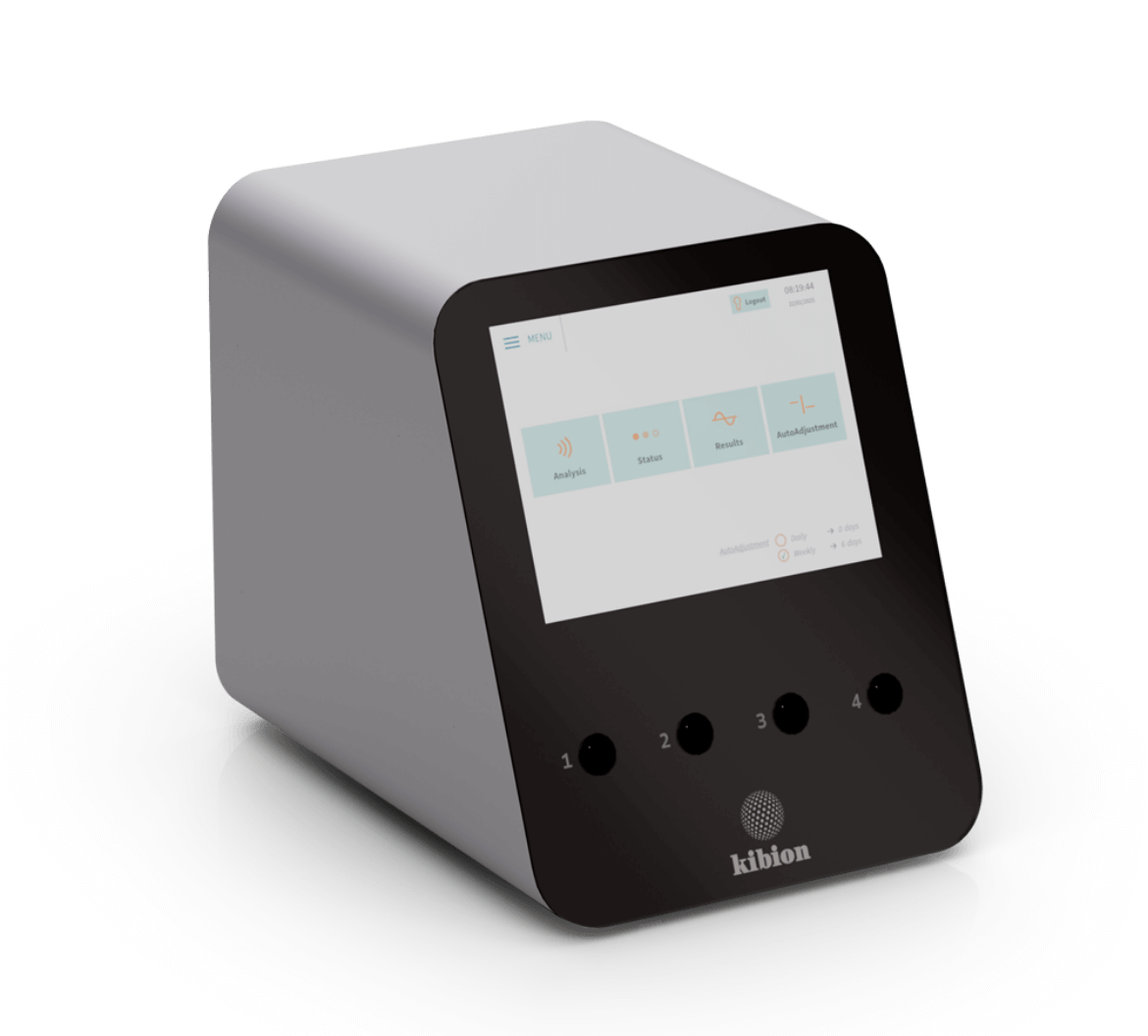
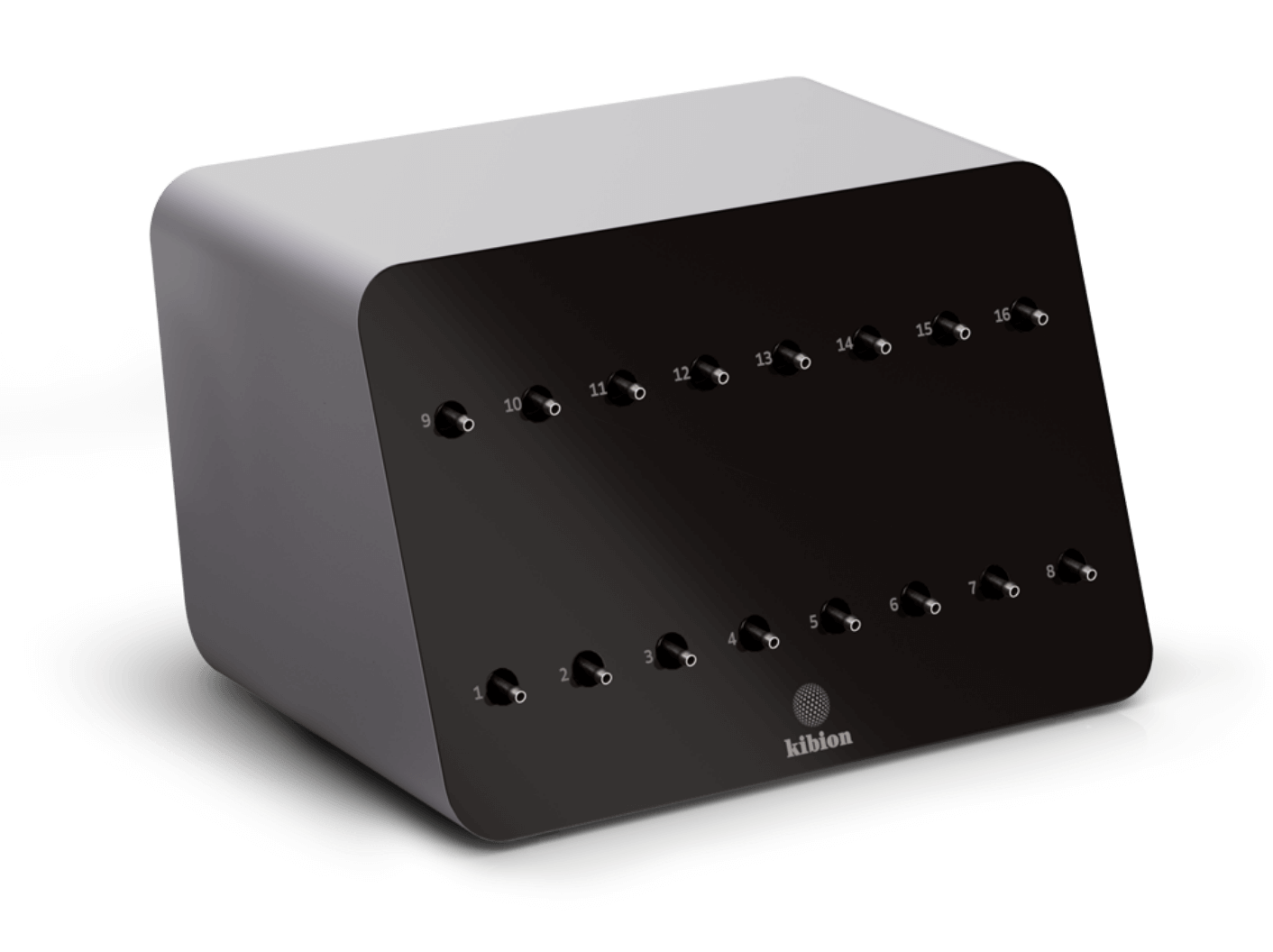
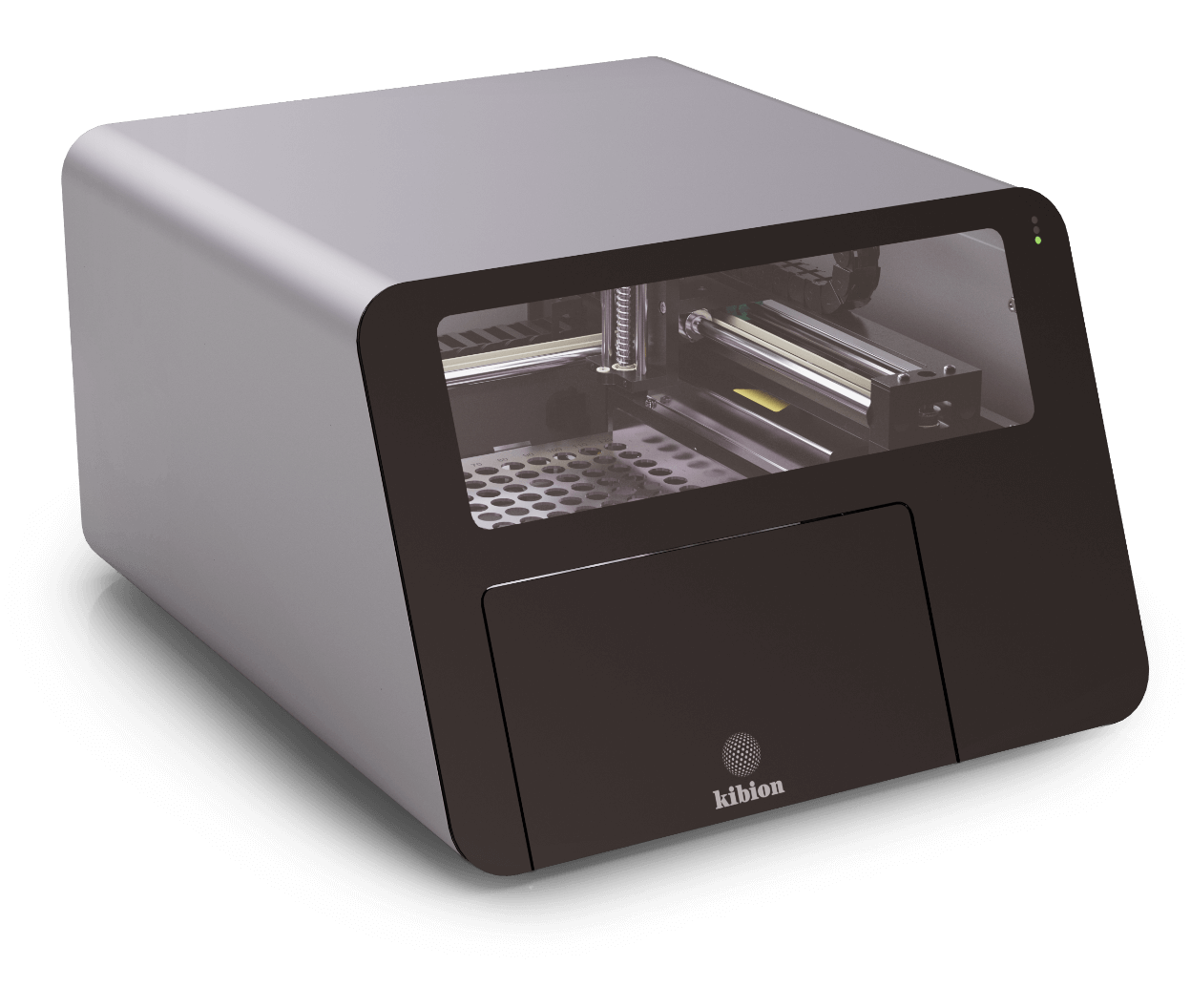
Kibion® Dynamic
Do I have to regularly check the Kibion Dynamic instrument?
No, there is no user required maintenance necessary. The Kibion® Dynamic should be checked once per year by a Kibion service technician or a qualified service technician of a dedicated Kibion distributor. For flawless function Kibion recommends a yearly service including change of filter.
How often does the Dynamic need to be calibrated?
The automatic daily calibration needs to be performed every measurement day. The monthly calibration should be performed monthly.
Where can I find my test results after I deleted the measurement list?
You can find all test results under Database -> Results.
When I try to perform the concentration calibration I get “concentration too low”. How can I fix this?
The concentration calibration requires a breath sample with at least 3,5 Vol. % CO2 to cover the full range of samples. If you experience problems achieving this please try the following:
- Hold your breath for 30 seconds or longer
- Walk around while holding your breath to increase your CO2-production
- Make sure to use a bag with a volume >1 L
- Try to exhale some air BEFORE you exhale into the breath bag
- Make sure you have eaten something before – if you are hungry the CO2 production will be reduced
- If you still encounter problems ask a colleague to help you
I receive an “I/O connection error” when I start a measurement. What can I do?
Turn off the instrument. Turn it on again and wait for 2 minutes before you log in.
If you still receive the error please contact your local distributor or send a mail to support@kibion.com.
Disposal of waste electrical equipment (area of application: Federal Republic of Germany)
Waste electrical equipment must not be disposed of with household or commercial waste.
This is clearly indicated by the “crossed-out bin” symbol which you will find on your appliances.
As a manufacturer of electrical appliances, we are obliged to provide you with a return option or a take-back system for your old appliances that were first put on the market after 13.08.2005. We are implementing this concept in cooperation with our waste disposal service provider.
We implement this concept in cooperation with our disposal partner enretec GmbH, a certified waste management company specializing in the disposal of waste medical electrical equipment.
If you would like to dispose of a device, please contact us using the Kibion telephone number +49 (0)421 278650 and/or e-mail address support.kibion@mayoly.com. We will arrange everything else for you.
The costs for transport and packaging are always borne by the owner/operator of the device.
Heliprobe® System
Is there any risk of radiation outside of the bottle containing HeliCap (C14-urea)?
C14 is a β-emitter and the maximum β range in plastic is only 0.25 mm. Since HeliCapTM capsules are stored in plastic containers, there is no radioactivity at all outside the package. Therefore, no special shielding or protection is required when shipping HeliCapTM capsules as there is no risk of exposure to radiation from the capsules.
Do I have to take a test meal together with the capsule, e.g. orange juice?
No, you just have to swallow the capsule with a glass of normal still water. Citric acid is included in the capsule.
Should the patient be fasting before the test is performed?
Yes, if the test is to be carried out in the morning the patient should fast overnight and not eat breakfast. If the test is to be carried out later in the day, or if fasting is a problem for the patient, then a light breakfast only, e.g. tea and toast, is recommended. If the patient has eaten a heavy meal then it will be necessary to fast for six hours prior to the test.
What about antibiotics, what to do if the patient is on antibiotic treatment?
Suppression of H. pylori may lead to false negative results. Therefore, the test must not be used until after at least four (4) weeks after systemic antibacterial therapy.
And what about if the patient takes PPI (Proton Pump Inhibitors) acid antisecretory agents?
At least one (1) week should pass before the test is performed, after last dose of acid antisecretory agents. This is especially important after eradication therapy.
Can the test be used during pregnancy?
The test should not be used in pregnant women. Before administration of HeliCap, information regarding pregnancy should be sought in women of child-bearing potential.