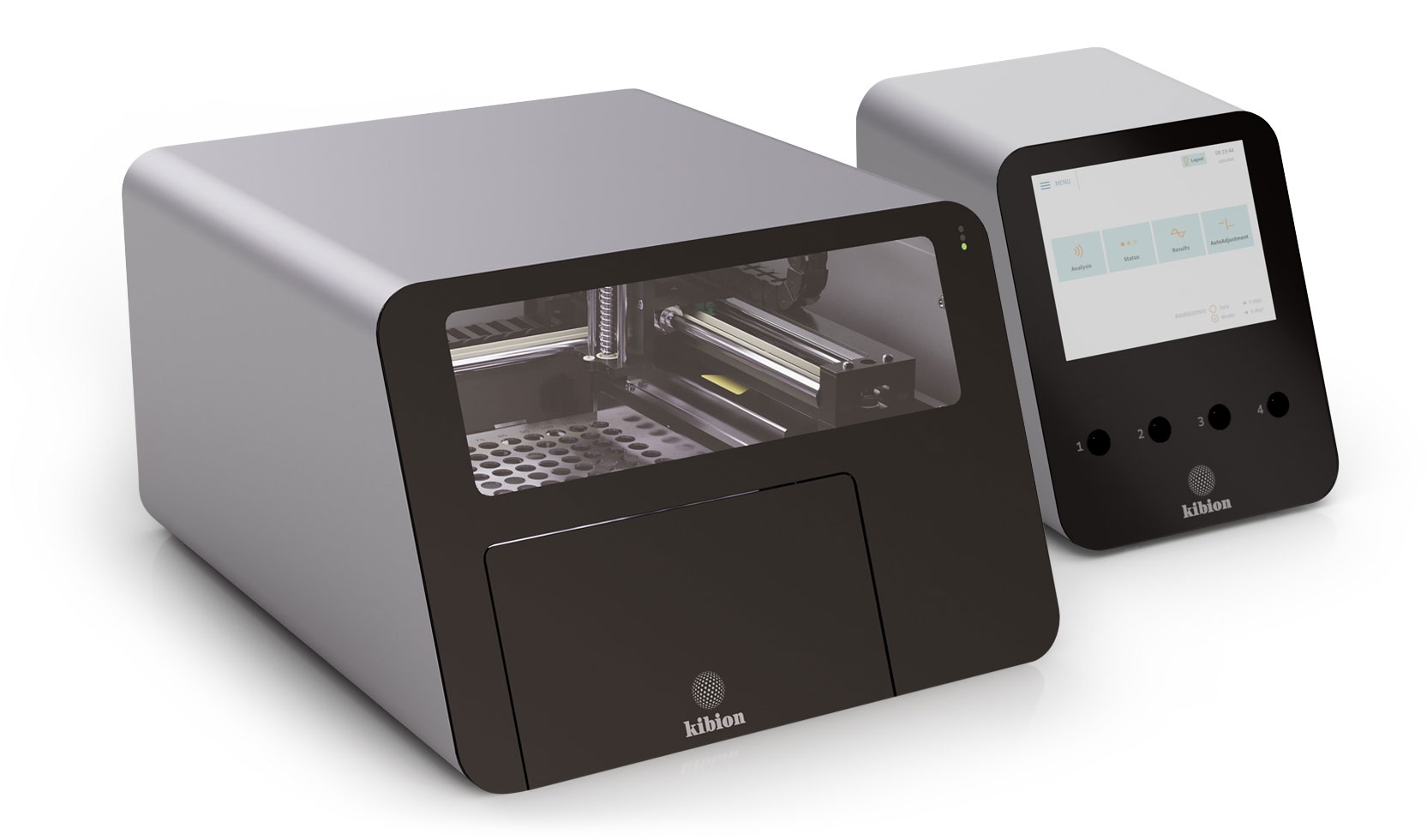
Kibion® Dynamic
for rapid reliable Urea Breath Tests for diagnosing the stomach ulcer bacterium Helicobacter pylori.





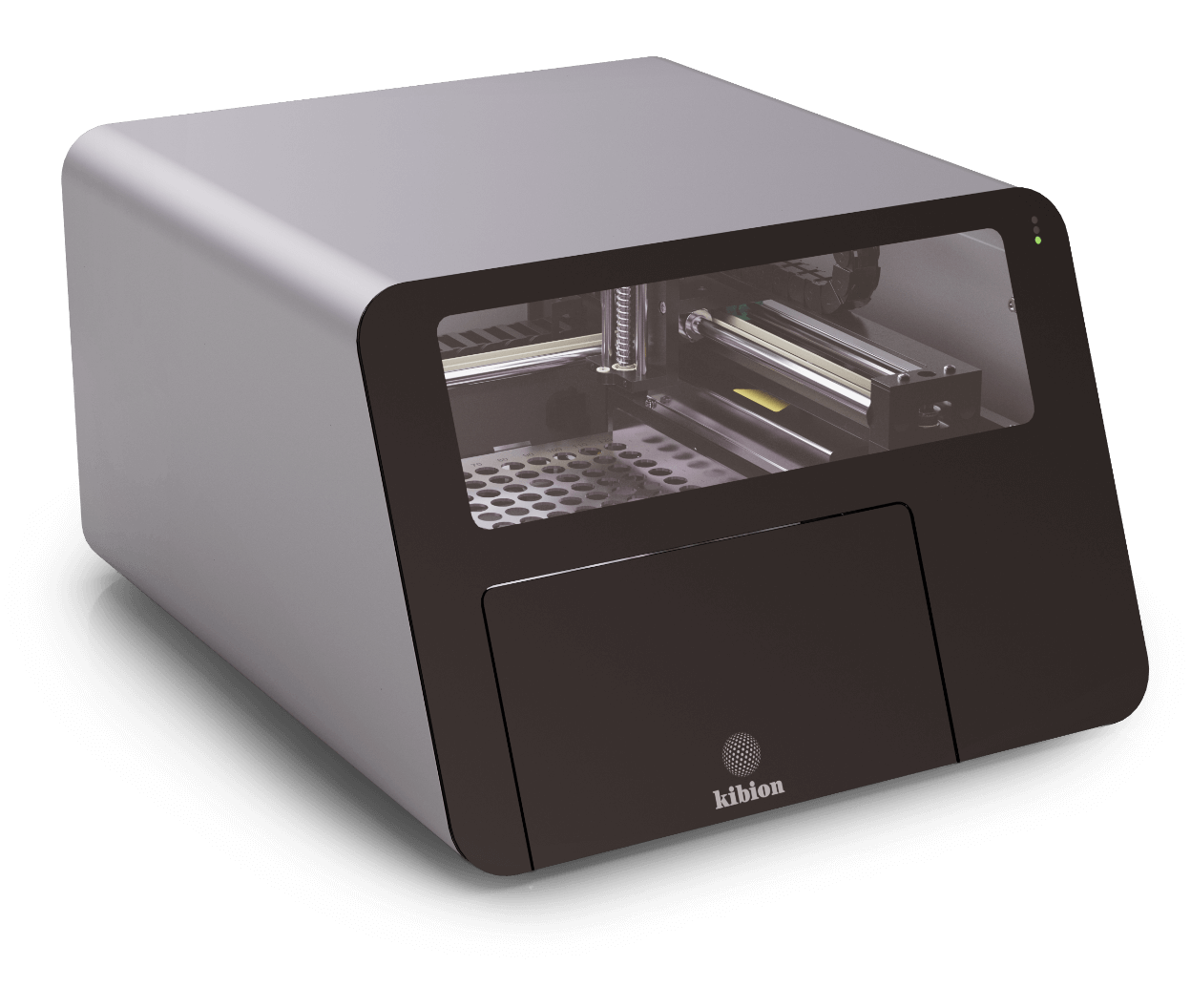

for rapid reliable Urea Breath Tests for diagnosing the stomach ulcer bacterium Helicobacter pylori.
Kibion® Dynamic technology enables the detection of stable carbon isotopes, carbon 12 (12C) and carbon 13 (13C). These two non-radioactive isotopes are naturally present in the air in very different proportions: <99% for 12C and >1% for 13C.
Thanks to its technology and its infrared analyzer the Kibion® Dynamic base can determine the isotope ratio of 13CO2 to 12CO2 in breath samples and its variation over time.
Together, Kibion® Dynamic and UBT offer a complete solution for the diagnosict of Helicobacter pylori, the bacterium involved in gastric ulcers and gastric cancers.

The Kibion® Dynamic InfraRed ISotope (IRIS) analyzer measures the 13CO2 and 12CO2 concentrations from breath samples and relates their ratios to the PDB-13C stable isotope standard.
UBT tests are based on the presence of urease, an enzyme that catalyzes urea (labeled with 13C) and water into CO2 and ammonium.
The CO2, labeled with 13C, passes through the bloodstream and is then found in the exhaled air.
The ammonium generated is eliminated in the urine.
The breath is collected in breath bags or breath tubes.
No separation of water or isolation of CO2 is required prior to analysis.
Kibion® Dynamic pro
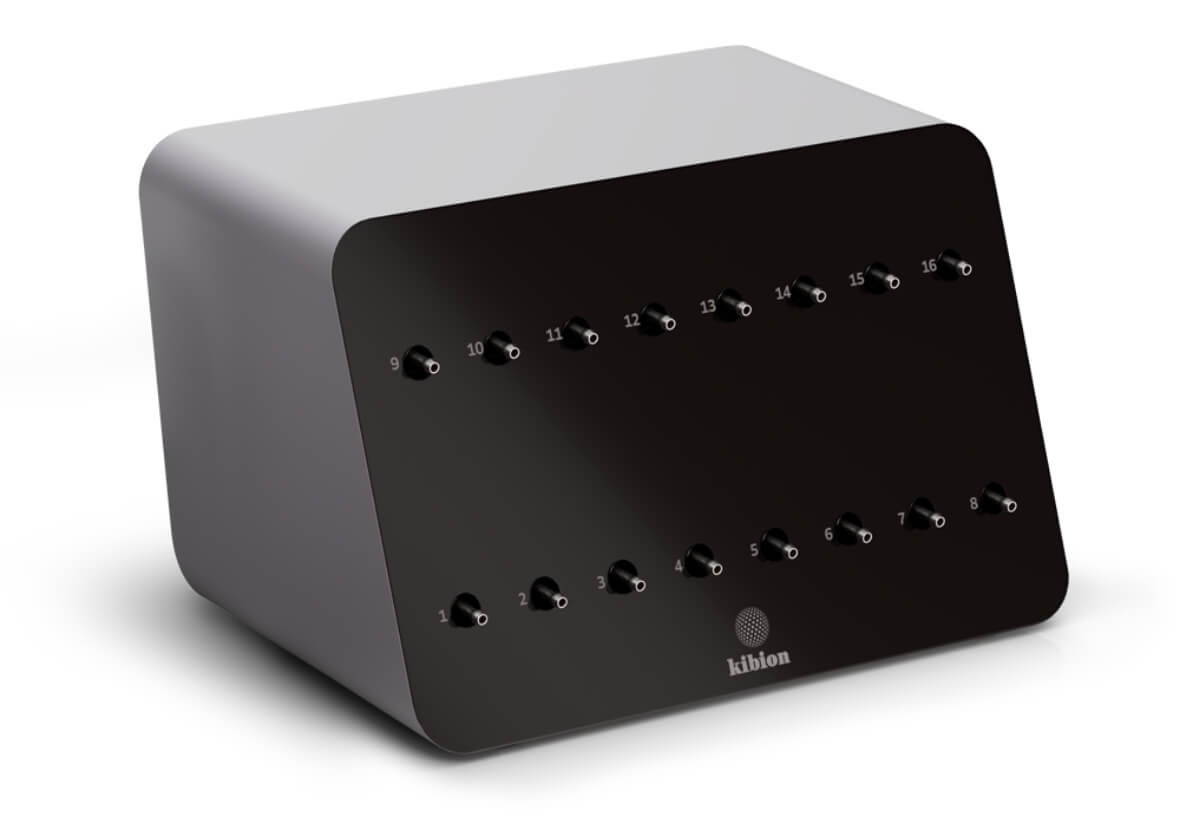
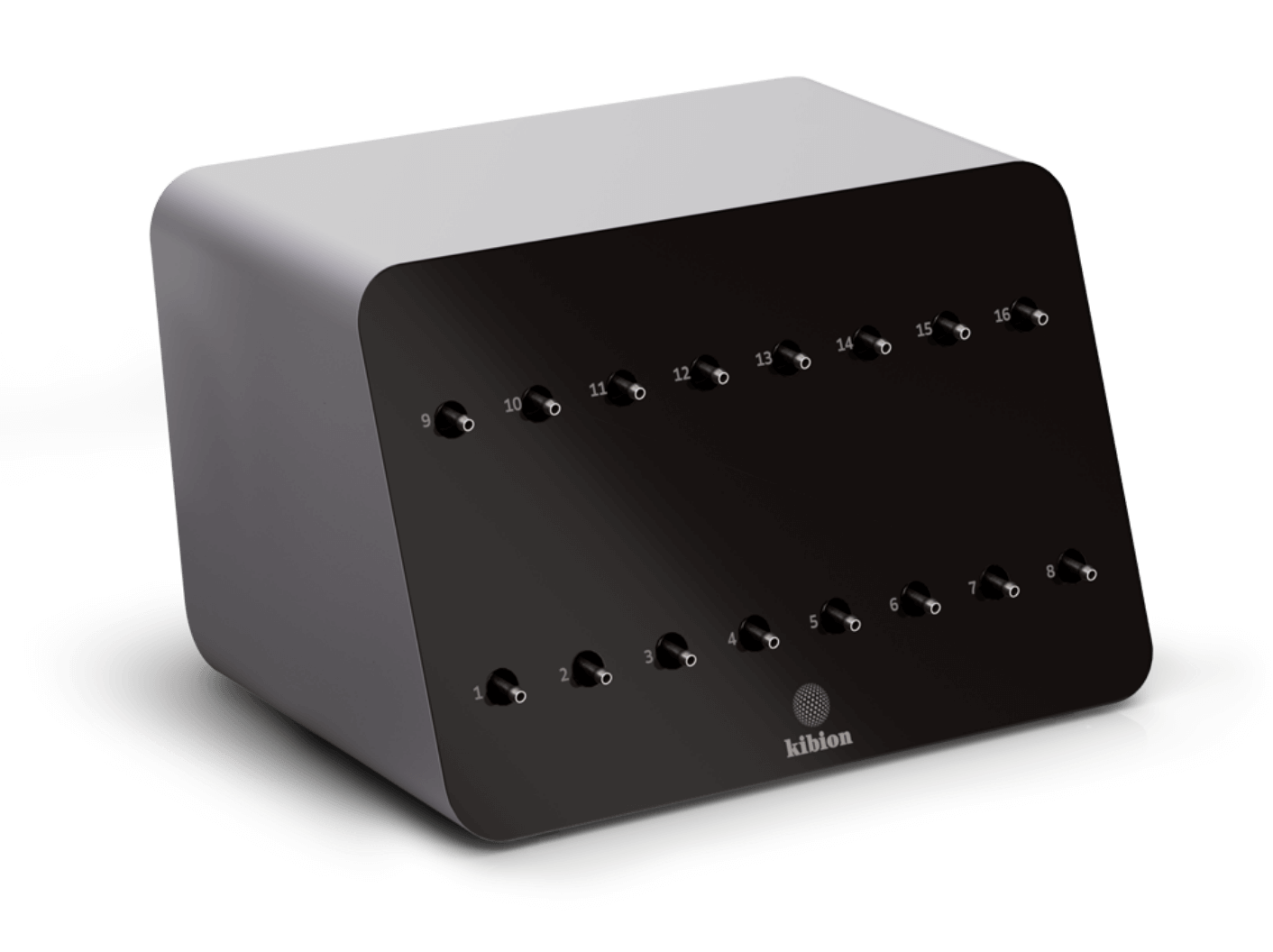
16 positions (up to 8 patients)
Time to result: 2 min / sample
Short handle time
Breath bags
Kibion® Dynamic performance
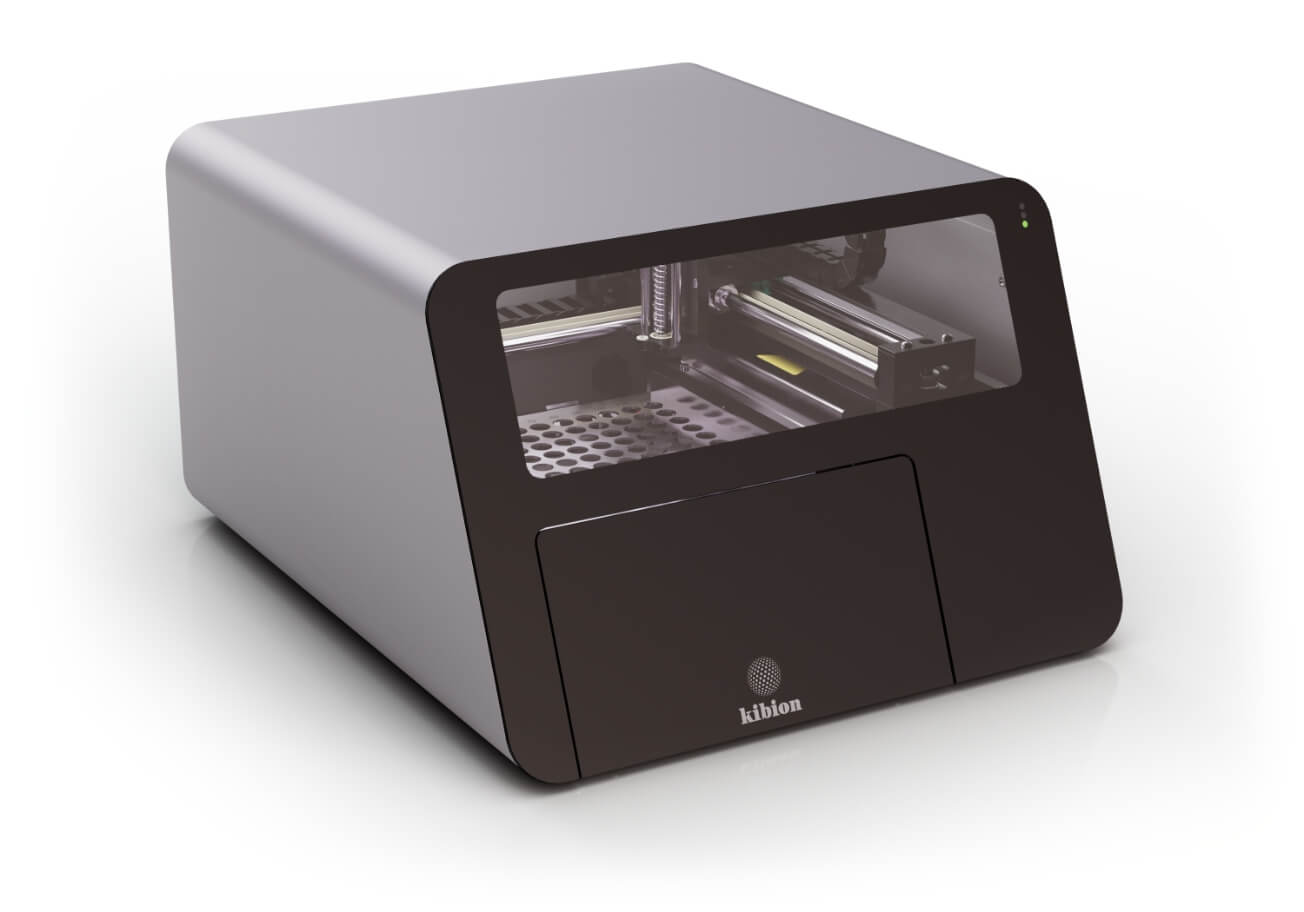
120 positions (up to 60 patients)
Time to result: 2 min / sample
Short handle time
Breath tubes
Infrared (IR)-spectroscopy has been used for a long time for the quantitative analysis of gas mixtures, i.e. the determination of the concentration of certain gases in other gases.
In conventional IR-spectroscopy, the IR-absorption of a sample is measured when the sample is being irradiated by the light from the narrow-band light source.
This narrow band is usually provided by a dispersive element (e.g. grid, interferometer).
Contrary to the conventional method, Kibion® Dynamic uses with non-dispersive IR-spectroscopy (ND-IR) a broad-band light source and acousto-optical detectors which are sensitive only to those wavelengths at which the gases to be measured are IR-absorbing. With two such detectors, individually sensitive to the absorption spectra for 12CO2 and 13CO2, the concentrations of these two gas components to be related to each other for 13C/12C-isotope ratio determination are measured. The IR-absorption spectra of the asymmetrical stretch oscillation modes of both the 13CO2– and 12CO2-molecules are separated almost completely.
NDIR-spectroscopy, utilizing all the absorbing lines of an individual gas component for its detection, has a high sensitivity combined with a very good linearity in measuring individual gas components, a presupposition for determining the 13C/12C-isotope ratio which in breath gas are in the range of 50 to 500 ppm, where 12CO2 accordingly is at concentration of 0,45 to 4,5 Vol.%.
Within that device, every measurement of the gas components IR-absorption is related to a full energy measurement of the IR-light source, available by a reference gas cell filled with the non-IR-absorbing gas. Such, an internal compensation for any instability of the light source is applied, and 13C/12C-isotope ratios are determined down to 0,1 ‰ (per mille) related to ratios near 1,1, % (percent). In absolute terms, that measurement by NDIR-spectroscopy does provide a sensitivity of 1/104 x 1/102 = 1/106 for the isotope ratio, and as demonstrated on IRIS®-systems also has stabilities within ± 0,2 ‰ (per mille) on real life breath samples over the CO2-concentration range between 0,5 to 6 Vol.%.
That capacity is the base that for any 13C-breath test done on an IRIS™ system the amount of 13C-substrate to be used on man needs to contain not more than 15 mg of carbon 13C as the label, to constitute a quantitative test result within reasonable limits of uncertainty.
Calibrations of Kibion® Dynamic demand one breath sample provided from the operator to contain 5 Vol.% of CO2 or more, to allow for the “Concentration Calibration” with automated dilutions by “zero gas” over the range between 5 to 0,3 Vol.%, and one more “operator’s standard breath sample” at about 3 Vol.% of CO2, to adjust and check final calibrations. The daily calibrations require 5 minutes of instrument time, and the monthly total check of calibrations is to be completed within 30 minutes in an automated mode which does not require more than the operator’s samples to be attached and calibrations to be started.
The very heart of Kibion® Dynamic is an analyzer principle which is in use successfully through several of its generations for quantitative analysis of CH4, CO, CO2 and many other gases (“URAS” by ABB, formerly Hartmann & Braun, Frankfurt/Main, Germany) and has been modified for 13C/12C-isotope analysis by the group of Prof Hering and Dr Haisch, University of Düsseldorf, Germany in cooperation with Wagner Analysen Technik GmbH, Bremen, Germany.
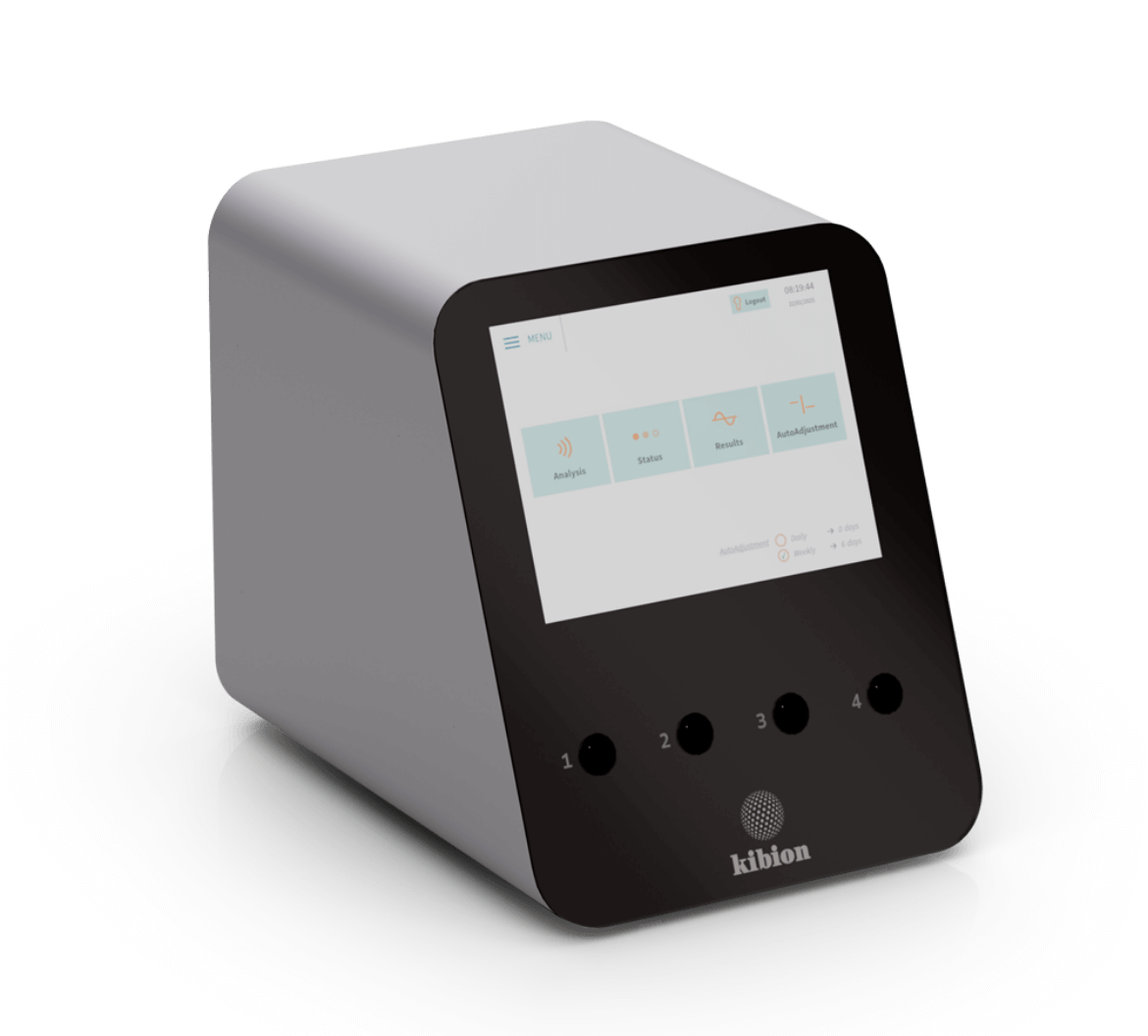
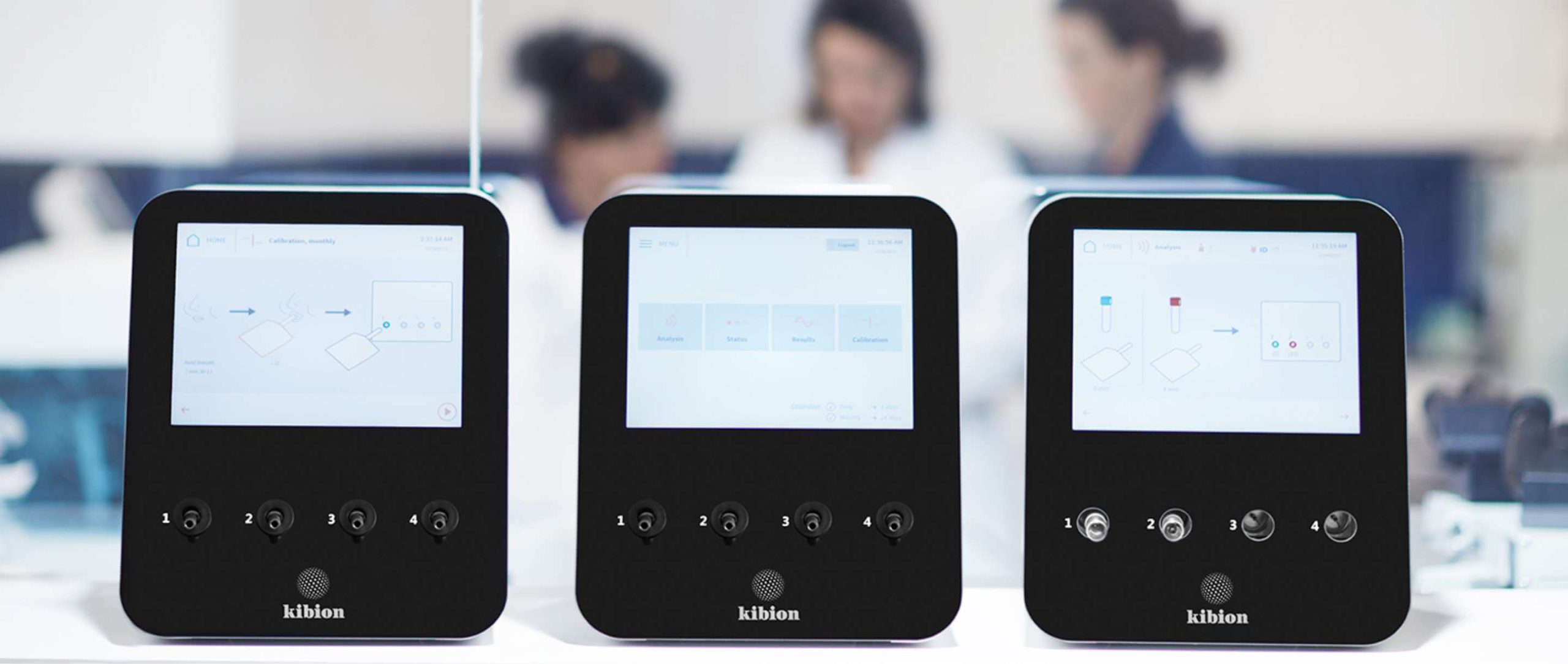
The Kibion® Dynamic offers a modern touchscreen interface with a graphical user interface adapted to the special needs of laboratories, hospitals and doctor´s offices. The software holds a patient and test management and is also capable to communicate with LIS- or HIS-infrastructure.
The software is designed to support an intuitive workflow without distractions and is performing various plausibility checks in the background to ensure a quick and safe workflow with the highest accuracy.
Technical information
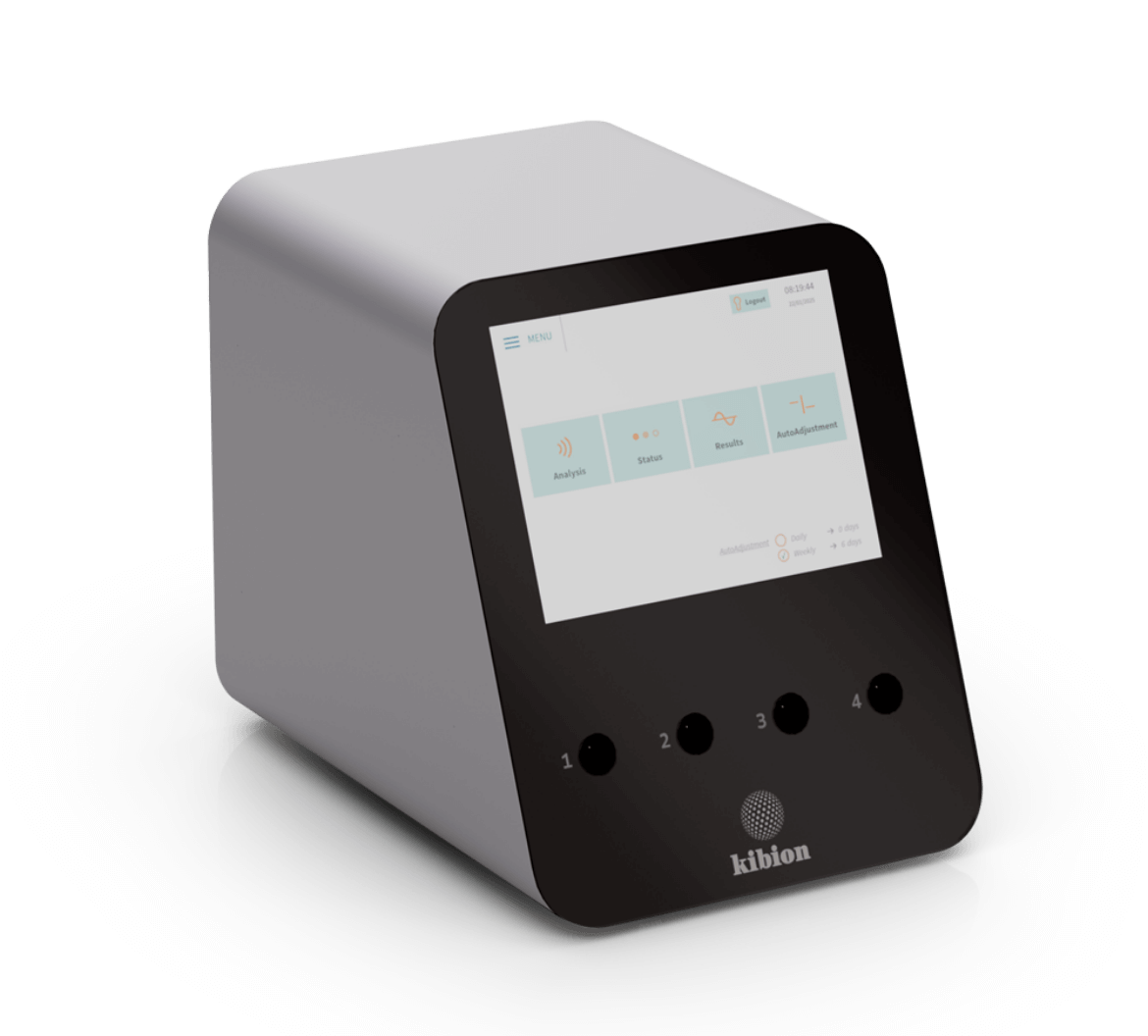 KIBION® DYNAMIC
BASE
KIBION® DYNAMIC
BASE | 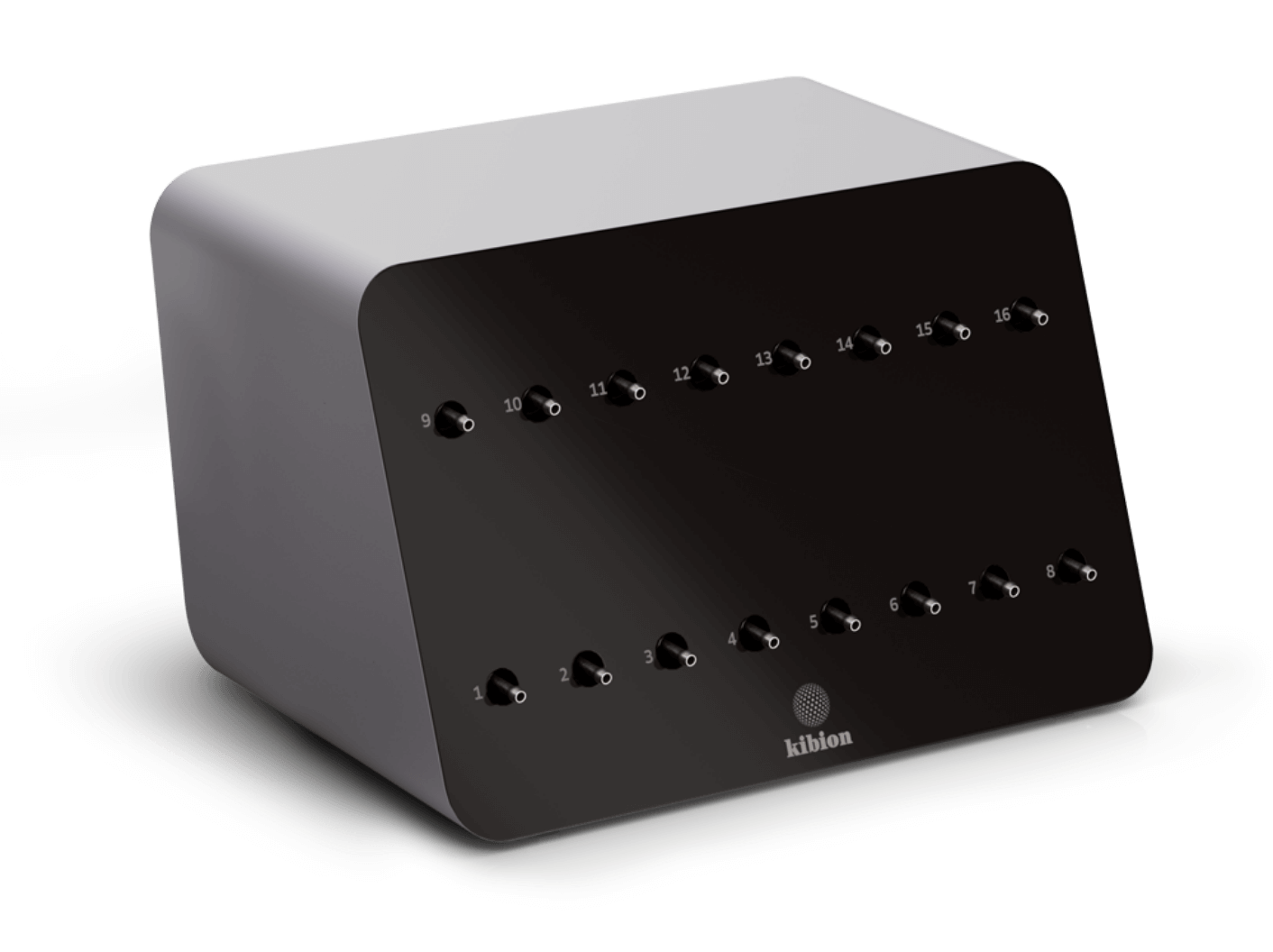 KIBION® DYNAMIC
PRO KIBION® DYNAMIC
PRO | 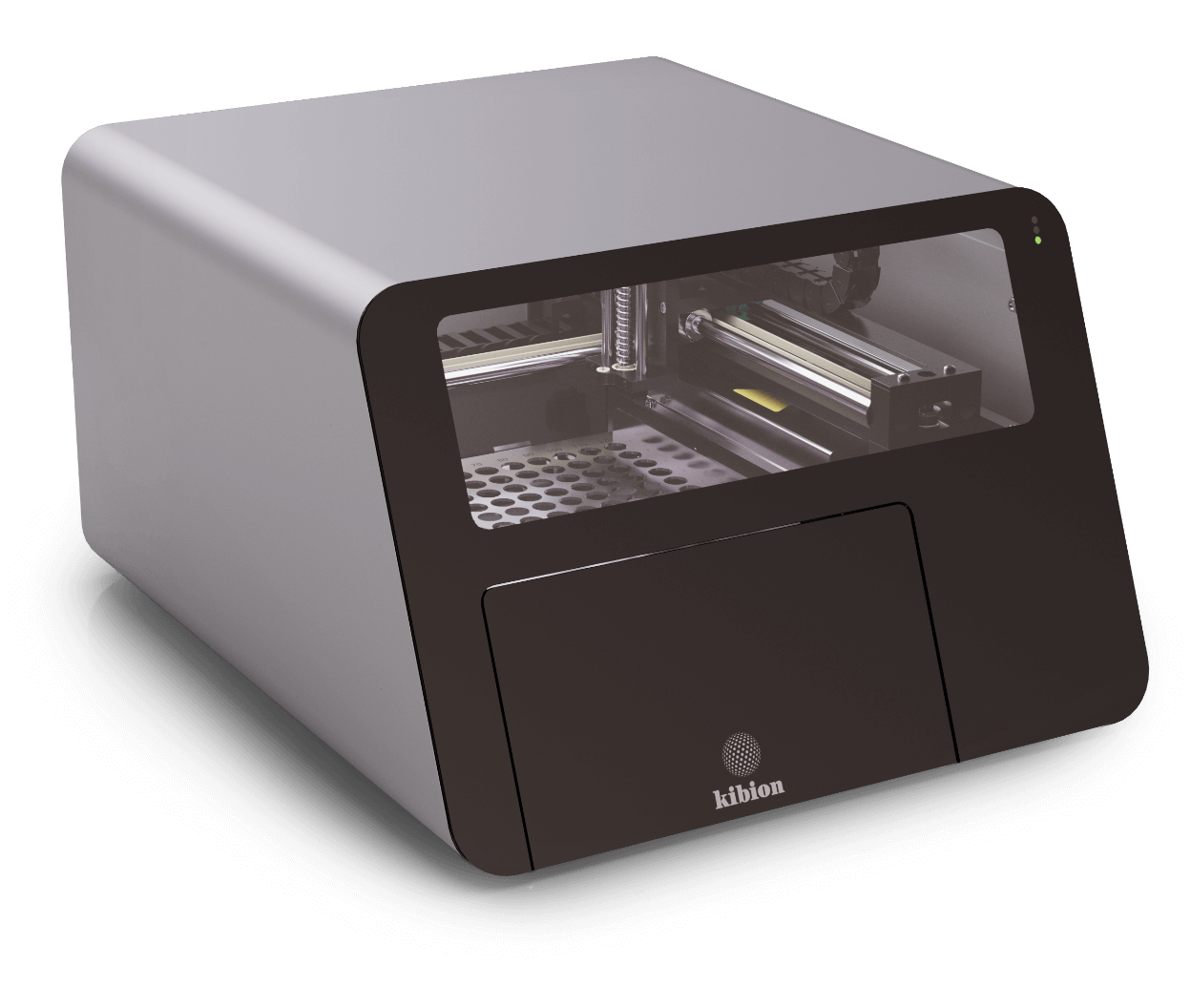 KIBION® DYNAMIC PERFORMANCE
 | |
|---|---|---|---|
| Dimensions | 28(W) x 32(H) x 38(D) cm | 50(W) x 32(H) x 38(D) cm | 50(W) x 32(H) x 60(D) cm |
| Weight | 13 kg | 11.5 kg | 27 kg |
| Positions | 4 | 16 | 20 |
| Time to result | 2 min / sample | 2 min / sample | 2 min / sample |
| Samples type | Breath tubes or Breath bags | Breath bags | Breath tubes |
| Power consumption | 0.12 kW | 0.12 kW | 0.12 kW |
| Gas connection | 1 | 1 | 1 |
| Connectivity | 2 RJ-45 & 2 USB | 1 RJ-45 | 1 RJ-45 |

FAQ about Kibion® Dynamic



SCIENTIFIC
INSTUCTIONS
Download scientific publications in pdf format by clicking below:
FAQ
Helicobacter Pylori
History

e-IFU
INSTUCTIONS
Download instructions for use in pdf format by clicking below: